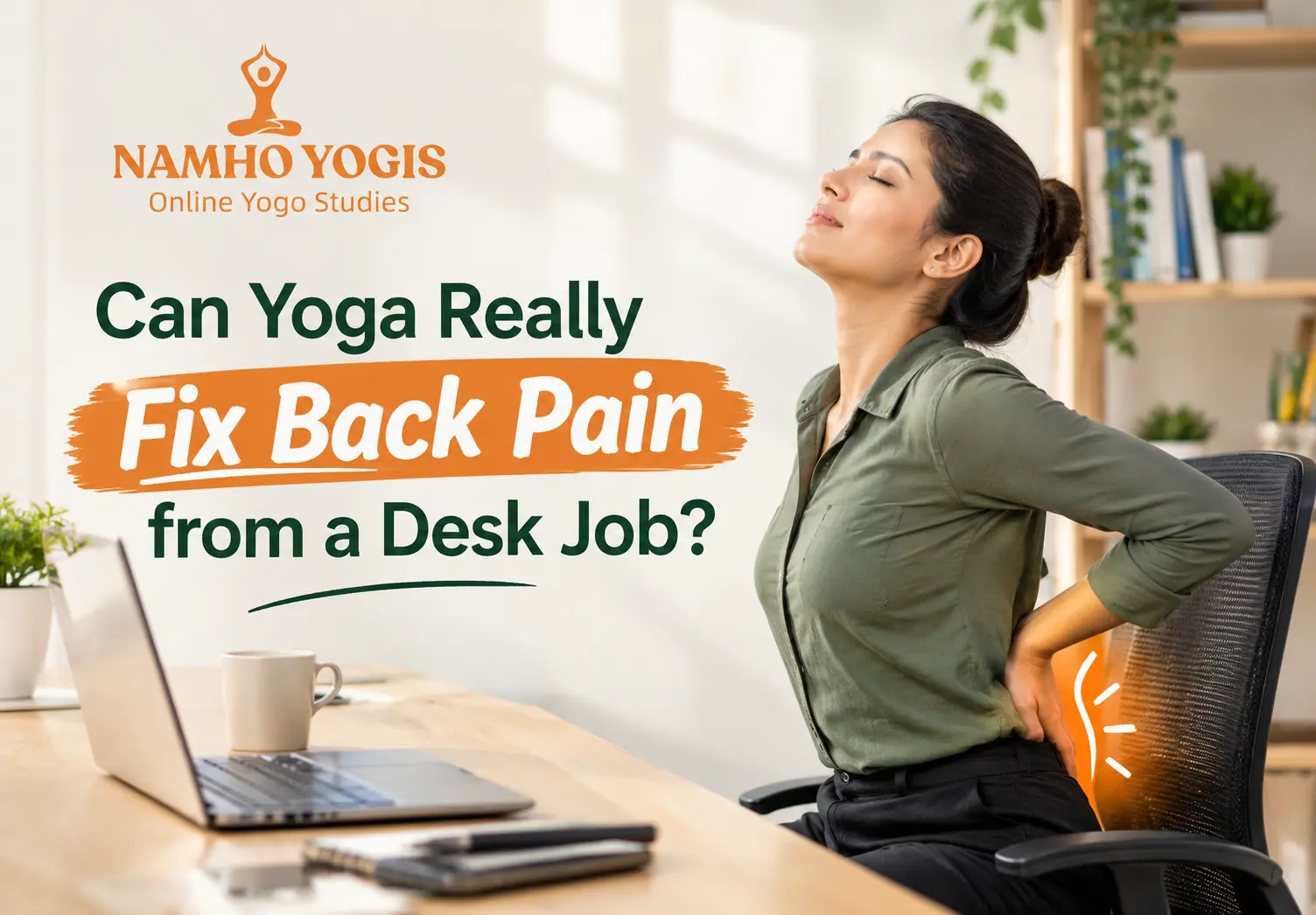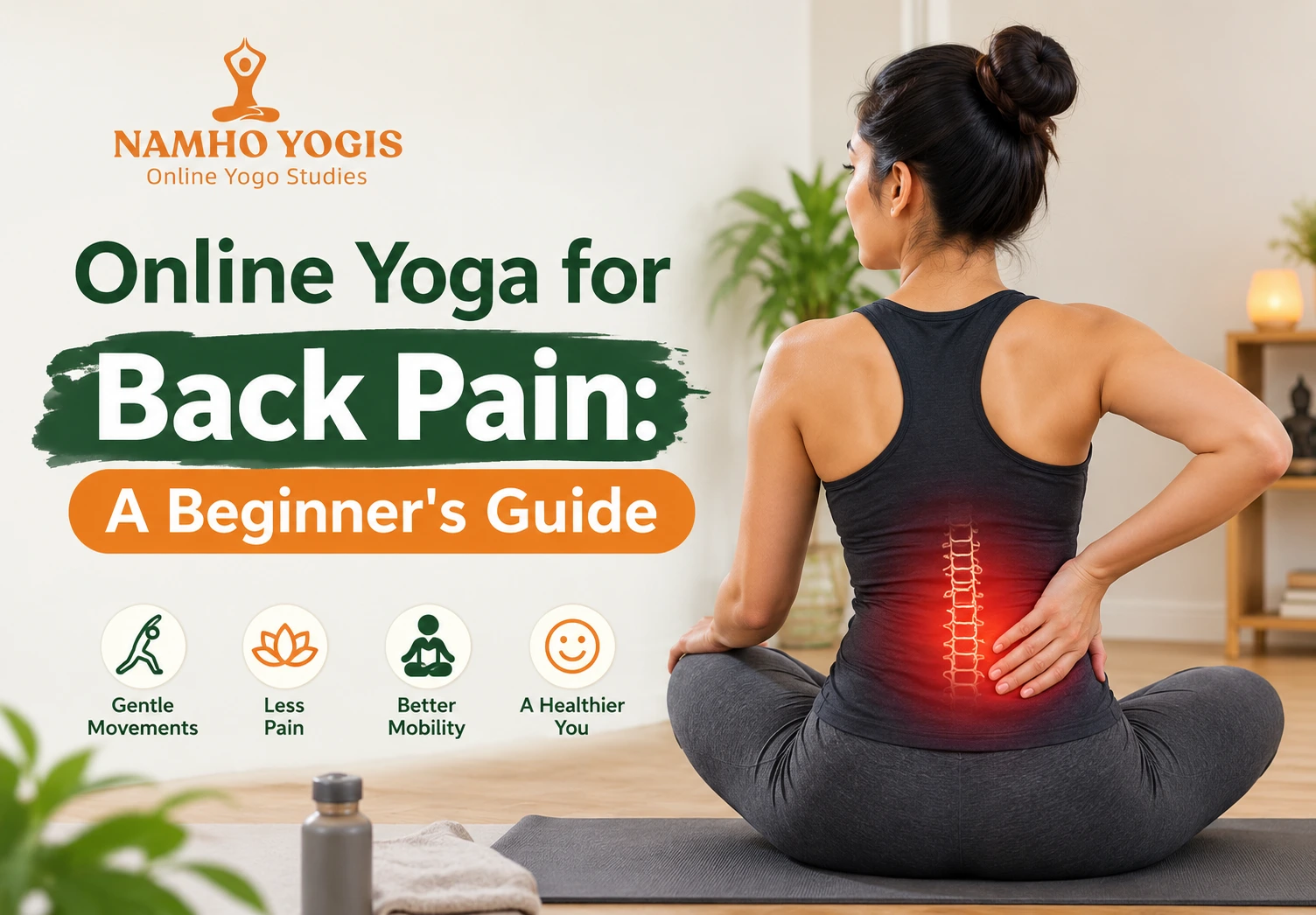

Walk into any yoga studio's schedule and you'll see half a dozen style names — Hatha, Vinyasa, Yin, Restorative, Ashtanga, Power — with almost no explanation of which one actually helps if you're dealing with lower back pain. That's a real gap, because the styles aren't interchangeable. Some are built for exactly this. Others can make things worse if you jump in without knowing what you're doing.
Here's how the main styles actually compare, specifically for lower back pain.
Hatha Yoga — The Safest Starting Point
Hatha is slow, deliberate, and holds poses long enough for you to actually feel what's happening in your body. For lower back pain, that matters more than almost anything else, because the biggest risk with back pain and yoga isn't the wrong pose — it's moving through a pose too fast to notice you're compensating badly.
Hatha classes typically build in the mobility and gentle strengthening work (think cat-cow, low lunges, supported twists) that desk-related back pain actually responds to, without the pace of a flow class pushing you past what your body's ready for.
Best for: anyone starting out, or anyone whose back pain flares with movement that's too fast or unsupervised.
Vinyasa — Good Later, Risky as a First Class
Vinyasa links poses together in a continuous flow, moving on breath rather than holding each position. It's a genuinely good practice for building strength and mobility once your back has some baseline stability — but as a first class for active lower back pain, it can be a problem. The pace makes it easy to round your lower back in a forward fold or over-arch it in a backbend without realizing it, especially before you've built the body awareness a slower practice teaches first.
Best for: once back pain has eased and you're building general strength and flexibility — not usually the right starting point.
Yin Yoga — Excellent for Chronic Tightness, Less So for Acute Pain
Yin holds poses for several minutes at a time, targeting connective tissue rather than muscle. For chronic lower back tightness — the kind that's been there for months from sitting, not from a specific injury — this can be genuinely effective, since it works on the deeper tissue that a faster practice doesn't reach.
The caveat: if your back pain is acute or recently flared up, holding a deep stretch for three to five minutes isn't always the right call. Yin is better suited to maintenance and long-term tightness than to pain that's currently active.
Best for: chronic stiffness once acute pain has settled down.
Restorative Yoga — The Gentlest Option, and Sometimes the Right One
Restorative yoga uses props to fully support the body in passive poses, with almost no active muscle engagement. It won't build strength, and it won't fix the underlying cause of desk-related back pain on its own — but during a genuine flare-up, when almost any active movement feels like too much, it's often the only style that actually feels good.
Best for: active flare-ups, or as a once-a-week complement to a more active practice.
So, Which One Should You Actually Pick?
If you're dealing with the common desk-job version of lower back pain — tight, stiff, achy, not injured — start with Hatha. It builds the strength and mobility that actually address the cause, at a pace where you can feel and correct your own form, which matters more for a bad back than any other single factor. As things improve, Vinyasa is a natural next step for continued strength and flexibility, with Yin or Restorative sessions layered in on tougher days or as a weekly reset.
What you want to avoid is starting with an intense flow class because it's the one with the most studio slots available. Pace matters more than most people expect when the goal is fixing pain, not just breaking a sweat.
Where to Start
Namho Yogis' live online classes blend Hatha's grounded pacing with Vinyasa's flow and Ashtanga's discipline, taught live so an instructor can see exactly how your lower back is moving and adjust before a bad habit sets in. If you want the practical side of getting started — specific poses and how to build a routine — our beginner's guide to online yoga for back pain walks through that step by step, and this piece on whether yoga actually helps desk-job back pain covers the "does this really work" question in more depth.